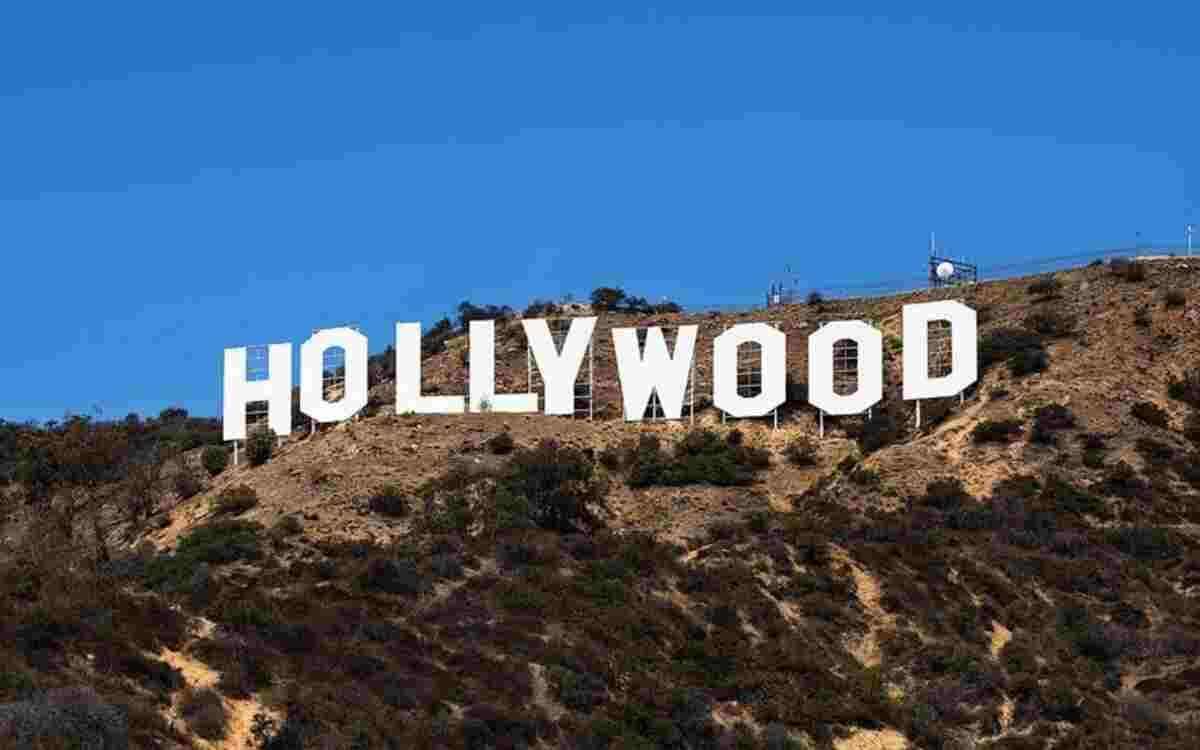
Hollywood is undergoing one of the most significant employment shakeups in recent memory, with a series of sweeping layoffs rippling across the entertainment and media industry that has far-reaching consequences for workers, studios and the global film and television ecosystem. Recent data shows that entertainment and media layoffs surged sharply in 2025, with more than 17,000 jobs cut in television, film, broadcast, news and streaming — an 18 % increase in job losses compared to the prior year — underscoring the depth of the workforce contraction in a sector still reeling from consolidation, economic pressure and evolving technology trends.
The layoffs are not isolated to one company or medium, but instead reflect a broader contraction affecting major studios, news organisations and streaming operations alike. Paramount and its merged entity Paramount Skydance, for example, initiated mass cuts beginning in late 2025, trimming roughly 1,000 jobs in the first wave and signalling deeper reductions ahead as part of executive efforts to streamline operations and reduce costs amid shifting revenue patterns in traditional media and digital streaming.
The issue has not been limited to Hollywood’s film studios. CBS News is now contemplating a new round of significant layoffs in 2026 that could ultimately affect at least 15 % of its newsroom staff — a move that reflects both financial and strategic recalibration within legacy news broadcasting as parent companies juggle the pressures of digital transition and audience fragmentation.
The impact of these layoffs extends beyond headline numbers to profoundly affect workers and aspiring media professionals. Students in film and television programs, such as those at the University of Southern California, report growing anxiety about future job prospects as internship and entry-level opportunities dwindle and early career paths become increasingly uncertain.
These trends are part of broader global economic shifts in the media landscape. The decade-long rise of streaming platforms, once heralded as job creators, has now contributed to consolidation and efficiency drives that mitigate workforce size. In some cases, cost-cutting has been accelerated by strategic deals and restructuring initiatives, with industry analysts warning that mergers or acquisitions could exacerbate layoffs if studios prioritise profitability over employment stability.
Hollywood’s employment turmoil also mirrors challenges across the wider media world. Traditional newsrooms in the United States have seen dramatic cuts, from The Washington Post’s closure of entire sections and hundreds of journalists let go in late 2025, to other historic news outlets reducing staff in response to diminishing print and digital ad revenues.
Industry observers note that layoffs are not driven solely by economic necessity, but also by strategic recalibrations toward automation, artificial intelligence, and digital prioritisation. Studios and broadcasters are increasingly reallocating resources toward technology-driven content production, data analytics and subscription-focused business models, often leaving behind larger legacy workforces. This pivot has implications for creative labor and skill demand, with a premium growing on roles tied to digital media, analytics and technology adaptation.
The global scale of these layoffs has ignited debate among creative unions and worker advocacy groups, with some calling for stronger protections and reimagination of industry contracts to safeguard employment amidst technological disruption. The ongoing shifts raise questions about how the entertainment industry can balance innovation with sustainable, long-term careers for the thousands who have traditionally powered its success.
As Hollywood continues to navigate the post-pandemic landscape — compounded by economic uncertainty and evolving viewer preferences — the future of media employment remains in flux. What’s clear is that both legacy and emerging players must grapple with the human cost of transformation while seeking new pathways for creative and operational resilience in an era of relentless change.