Fitbit, one of the most recognized names in the wearable tech industry, has unveiled a major update to its mobile app featuring an AI-powered health coach, marking a significant leap in the integration of artificial intelligence with personal fitness tracking. The update, which rolls out globally this week, promises a smarter and more personalized health experience by analyzing a user’s activity, sleep, and lifestyle data to deliver actionable insights in real-time. With this move, Fitbit aims to redefine how users approach health goals, turning raw fitness data into intelligent guidance tailored for each individual.
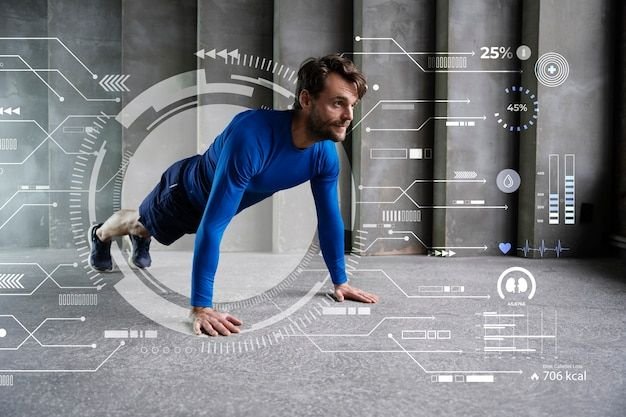
The newly introduced Fitbit AI Health Coach is designed to serve as a virtual personal trainer and wellness companion. Using machine learning algorithms, it studies a user’s exercise habits, heart rate trends, sleep quality, and even stress patterns to recommend personalized workout plans, recovery schedules, and nutrition advice. For instance, if a user’s sleep score has dropped over a few nights, the AI coach can adjust their workout intensity or recommend mindfulness activities. Unlike generic fitness apps, Fitbit’s AI coach evolves with the user, adapting its suggestions based on progress and behavior over time.
This innovation aligns with Fitbit’s vision of creating a more intuitive and holistic health ecosystem. The updated app interface has also been redesigned for simplicity and engagement. It features a cleaner dashboard, improved navigation, and visual progress tracking that helps users better understand their health metrics. The AI integration brings conversational capabilities as well — users can ask health-related questions, such as “Why is my resting heart rate higher this week?” or “How can I improve my sleep score?” — and receive context-aware responses backed by their own health data.
The new AI health coach comes at a time when AI-driven wellness is becoming a major trend in the global health-tech market. Competitors like Apple, Samsung, and Garmin have introduced advanced analytics in their wearable ecosystems, but Fitbit’s approach stands out for its deep personalization and integration with Google’s health data infrastructure. Since Fitbit’s acquisition by Google, the brand has increasingly focused on leveraging artificial intelligence and cloud-based analytics to enhance its capabilities. This latest update is another step in bringing together hardware and intelligent software to create a seamless health-monitoring experience.
Fitbit also emphasizes privacy and data security, assuring users that their health information is encrypted and processed according to strict privacy standards. The company has clarified that AI recommendations are generated from anonymized data sets and user-specific patterns, ensuring both personalization and confidentiality. This is an essential reassurance at a time when health data privacy remains a growing concern among wearable users worldwide.
Industry experts see this as a bold move that could reshape the future of digital fitness. Dr. Alicia Harper, a digital health analyst, notes that “AI coaching could revolutionize how people approach their health — it bridges the gap between tracking and action.” She explains that while traditional fitness trackers often overwhelm users with numbers, Fitbit’s AI system interprets those metrics, offering meaningful feedback and motivation to improve habits. This could make technology not just a monitoring tool but a genuine wellness partner.
For entrepreneurs and startups in the health-tech space, Fitbit’s launch is a powerful signal of where the industry is headed. The fusion of AI with fitness and wellness platforms opens vast opportunities for innovation — from predictive health alerts to adaptive nutrition guidance and mental wellness tracking. The success of Fitbit’s AI coach could inspire a new generation of applications built on personalized data-driven insights.
With the new AI-powered update, Fitbit reinforces its commitment to helping users take control of their well-being through smarter technology. By merging machine intelligence with human motivation, the brand is not only enhancing the wearable experience but also paving the way for a new era of personalized digital health. As fitness tracking evolves from passive monitoring to active coaching, Fitbit’s latest innovation sets a benchmark for what the future of health tech should look like — intelligent, adaptive, and truly personal.