IKEA has officially introduced a new smart home furniture range designed to seamlessly integrate technology into everyday living spaces. The latest lineup focuses on combining functionality, affordability, and voice-controlled intelligence, signaling IKEA’s deeper push into the connected home ecosystem. Rather than treating smart devices as add-ons, the company is embedding technology directly into furniture pieces used daily in modern homes.
The newly unveiled range includes smart tables, shelves, lamps, and storage units that come pre-integrated with lighting controls, wireless charging, and voice assistant compatibility. IKEA has designed these products to work effortlessly with popular voice platforms, allowing users to control lighting, ambiance, and connected devices using simple voice commands. This approach aims to reduce clutter while making smart home technology more accessible to non-technical users.
A standout feature of the collection is built-in smart lighting. Furniture items such as bookshelves, wardrobes, and bed frames now include integrated LED lighting systems that can be adjusted for brightness, color temperature, and scheduling through voice commands or mobile apps. Users can create customized lighting scenes for different times of the day, improving both comfort and energy efficiency without installing separate smart bulbs or switches.
Wireless charging is another key element of IKEA’s smart furniture strategy. Side tables and desks in the new range feature discreetly embedded charging pads, allowing smartphones, earbuds, and other compatible devices to charge simply by being placed on the surface. This eliminates cable clutter and reflects IKEA’s focus on minimalist, practical design that aligns with modern lifestyles.
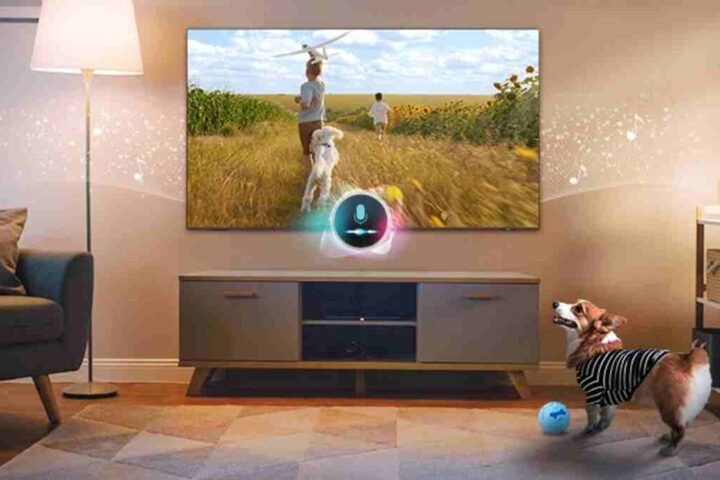
The smart furniture range is designed to integrate smoothly with IKEA’s existing smart home ecosystem, including its lighting, speakers, and smart plugs. Products are compatible with major smart home standards, enabling users to connect furniture with other devices across their homes. Voice assistants can be used to control multiple elements at once, such as dimming lights, activating night modes, or setting wake-up routines, all through natural voice interactions.
Sustainability remains central to IKEA’s product development, even in its tech-enabled offerings. The company has emphasized the use of energy-efficient components, responsibly sourced materials, and modular designs that allow parts to be repaired or upgraded instead of replaced. Smart lighting systems are optimized to consume less power, supporting IKEA’s long-term goal of reducing environmental impact while expanding its smart home portfolio.
From a design perspective, IKEA has kept its signature Scandinavian aesthetic intact. The smart furniture pieces maintain clean lines, neutral colors, and versatile forms that blend easily into different interior styles. Technology is intentionally kept subtle, ensuring that smart features enhance functionality without dominating the visual appeal of the furniture.
Industry experts see this launch as a strategic move to bridge the gap between traditional furniture and smart home technology. While many consumers are interested in smart homes, complexity and high costs often act as barriers. By embedding smart features directly into affordable furniture, IKEA is lowering the entry point and encouraging wider adoption of connected living solutions.
The new range is expected to roll out across select global markets initially, with broader availability planned based on consumer demand. IKEA has also hinted at future expansions, including furniture that adapts to user behavior through automation and AI-driven personalization.
With this launch, IKEA is redefining how smart homes are built—not through standalone gadgets, but through thoughtfully designed furniture that naturally fits into everyday life. The integration of voice assistants, smart lighting, and wireless charging positions IKEA as a key player in the future of accessible, design-led smart living.