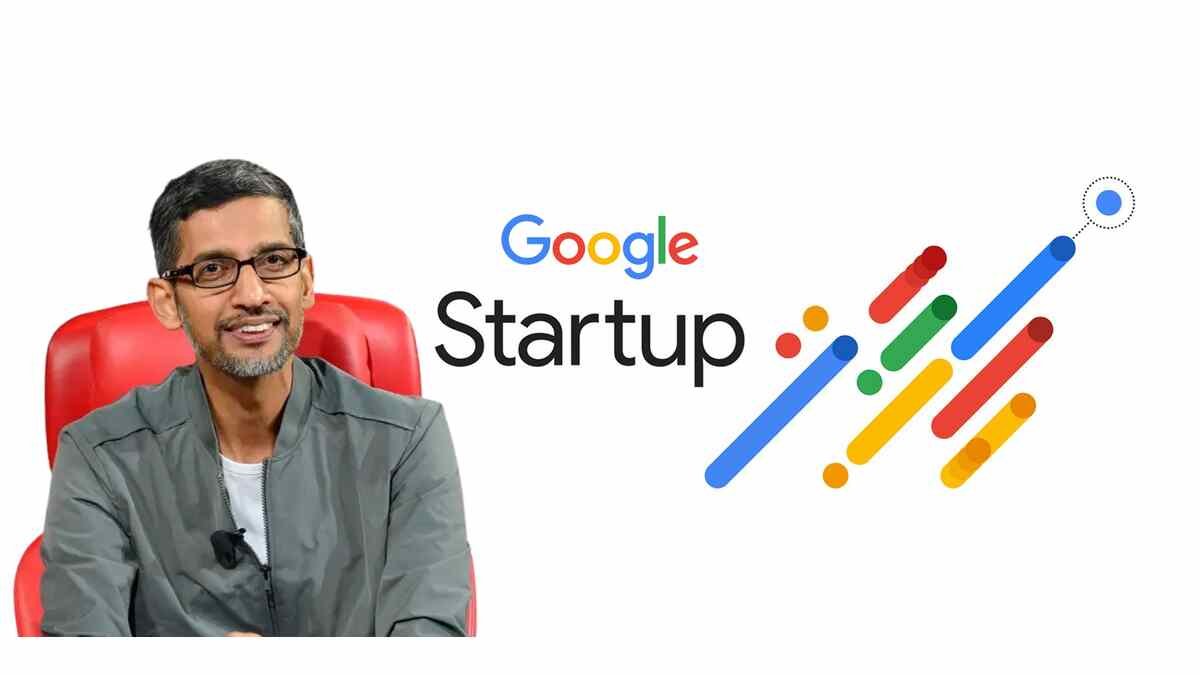
The global race to dominate artificial intelligence innovation is accelerating, and one of the latest major developments comes from a partnership between technology giant Google and venture capital firm Accel. The two organizations have launched a new AI startup accelerator program designed to support the next generation of artificial intelligence companies, particularly in emerging technology ecosystems.
The initiative brings together Google’s AI Futures Fund and Accel’s well-known startup program, Accel Atoms, to create a dedicated platform for early-stage founders building artificial intelligence products. The accelerator is aimed at helping startups move from concept to scalable businesses by combining funding, advanced AI tools, and technical mentorship from industry experts.
Under the program, selected startups will receive early-stage funding of up to $2 million through joint investments from Accel and Google’s AI Futures Fund. This level of financial support is considered unusually strong for pre-seed and early-stage startups, allowing founders to focus on product development, infrastructure, and global scaling from the beginning of their journey.
One of the most valuable aspects of the accelerator is access to Google’s advanced artificial intelligence technology stack. Participating companies will be able to work directly with cutting-edge tools such as Gemini AI models and research systems developed by Google DeepMind. These technologies are typically available only to large enterprises or well-funded companies, making the program particularly attractive for ambitious startup founders.
In addition to funding and technology access, the accelerator will provide cloud infrastructure support. Selected startups will receive compute credits, allowing them to build and train AI models using Google Cloud resources. High computing costs are one of the biggest barriers for early AI startups, so this support significantly lowers the financial burden during the early stages of development.
Mentorship is another key element of the program. Startup founders will work directly with engineers, product specialists, and AI researchers from Google and DeepMind. These experts will guide teams through technical challenges such as model optimization, product architecture, and scaling AI applications for real-world use cases. Such mentorship can dramatically accelerate the growth of young companies that otherwise might take years to refine their technologies.
The partnership also reflects a broader trend across the global technology industry. Major tech companies are increasingly investing in startup ecosystems to ensure that developers build products using their platforms and AI models. By supporting early-stage companies, tech giants can create long-term partnerships with innovators who may become future leaders in the AI economy.
For Google, the accelerator also represents a strategic move to strengthen its presence in rapidly growing startup markets. Countries with strong engineering talent and large digital economies are becoming major hubs for AI innovation. Supporting local founders helps technology companies tap into new ideas while expanding their influence in emerging technology ecosystems.
Industry analysts believe programs like this could play a major role in shaping the next generation of artificial intelligence companies. Many of today’s most successful tech startups began with accelerator programs that provided early funding, mentorship, and access to critical infrastructure. By combining Google’s technological resources with Accel’s investment experience, the new accelerator aims to replicate that success for the AI era.
Artificial intelligence is already transforming industries ranging from healthcare and finance to entertainment and software development. As startups continue experimenting with new AI applications, initiatives like the Google-Accel accelerator may help accelerate innovation and bring new products to market faster than ever before.
With global spending on artificial intelligence expected to grow rapidly in the coming years, the launch of this accelerator signals that competition for the next generation of AI breakthroughs is only just beginning. For many aspiring founders, the program could become one of the most important launchpads for building the next wave of world-changing technology companies.