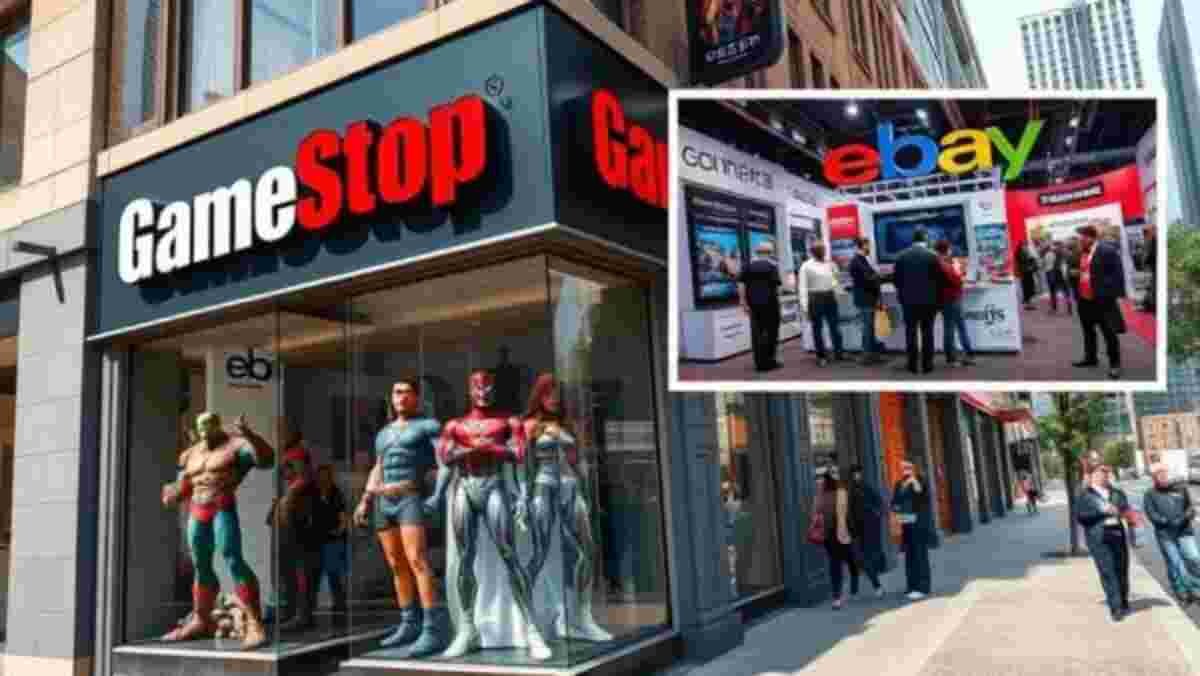
In a dramatic clash between two retail giants with vastly different trajectories, eBay has firmly rejected GameStop’s unsolicited $56 billion takeover offer, describing the proposal as “neither credible nor attractive.” The decision, announced on May 12, 2026, highlights the stark contrast between eBay’s established e-commerce empire and GameStop’s ambitious transformation under CEO Ryan Cohen.
The bid, first revealed earlier in May, valued eBay at approximately $125 per share in a cash-and-stock deal. GameStop, which had quietly built a roughly 5% stake in eBay, positioned the acquisition as a strategic move to create a formidable competitor to Amazon. Cohen’s vision included leveraging eBay’s vast marketplace, auction platform, and global user base alongside GameStop’s gaming and collectibles expertise to drive new growth in online retail.
eBay’s board, led by Chairman Paul Pressler, quickly dismissed the offer after reviewing financing uncertainties, operational risks, and governance concerns. In a formal letter to Cohen, the company emphasized confidence in its independent strategy and recent turnaround successes. eBay has reported steady revenue growth, improved seller tools, and stronger advertising performance, factors that bolstered its stance against the smaller suitor. GameStop’s market capitalization remains significantly lower—roughly one-fourth of eBay’s—raising immediate questions about the deal’s viability.
GameStop proposed funding half the deal with cash, drawing from its $9.4 billion balance sheet and a committed financing letter from TD Securities for up to $20 billion in debt. The remaining portion would come through GameStop stock. Despite these assurances, analysts and eBay’s leadership expressed skepticism over the retailer’s ability to manage such a massive leveraged transaction without disrupting core operations or shareholder value.
This bold move reflects Cohen’s aggressive approach since taking the helm at GameStop. Once a struggling brick-and-mortar video game chain, the company gained meme-stock fame in 2021 and has since pivoted toward cash reserves and strategic investments. Cohen has signaled readiness to take the bid directly to eBay shareholders if needed, and GameStop plans a vote to increase authorized shares, potentially paving the way for further maneuvers.
Market Reactions and Broader Implications
Wall Street responded with volatility. eBay shares initially surged on the bid news but stabilized after the rejection, as investors weighed the company’s standalone prospects. GameStop stock experienced its characteristic swings, fueled by retail trader enthusiasm and speculation around Cohen’s next steps.
The episode underscores shifting dynamics in retail and e-commerce. eBay continues focusing on trusted marketplaces, refurbished goods, and international expansion. Meanwhile, GameStop eyes evolution beyond physical stores into digital collectibles, gaming ecosystems, and potentially broader online platforms.
Industry observers note parallels to past ambitious deals where smaller players with high valuations attempted to acquire larger, stable companies. Questions linger about cultural integration, debt burdens, and whether combining a collectibles-focused retailer with a general marketplace would truly unlock synergies or create operational headaches.
For consumers, the saga raises interesting possibilities. A combined entity might have offered enhanced cross-category shopping experiences, from rare sneakers and gaming hardware to everyday auctions. Yet eBay’s rejection preserves its independent path, potentially allowing continued innovation in user experience and seller empowerment without integration risks.
As the dust settles, all eyes remain on Ryan Cohen and GameStop’s next chapter. While the immediate bid failed, the move has thrust both companies into the spotlight and could inspire further consolidation talks across retail. eBay appears poised to double down on its strengths, while GameStop’s cash-rich position keeps it as a wildcard in future M&A opportunities.
This high-profile rejection serves as a reminder that size, credibility, and strategic fit still matter immensely in corporate dealmaking—even in an era of meme-driven market enthusiasm. The retail landscape continues evolving, with traditional e-commerce leaders and agile challengers battling for dominance in an increasingly competitive digital economy.