A professional kitchen is never merely a space that contains the machinery. Rather, it is a dynamic system that requires the coordination of personnel, refrigeration, steel, and steam during each high hour. The immediate repercussions of a perturbation in the equilibrium include delayed platters, irritated staff, and frigid food. This is precisely the reason why selecting commercial kitchen equipment manufacturer is a strategic decision.
It may be necessary to implement profoundly divergent systems in two kitchens that have an equivalent square footage. The first prepares a thousand meals in forty minutes, while the second prepares meals for patients who are hospitalized for an extended period. The most exceptional kitchen equipment manufacturer begins with the appropriate inquiries. What is the number of dishes that the pass produces in an hour? Is the flow composed of cook-serve, cook-hold, or cook-chill? What is the intersection of the unprocessed, cooked, clean, and filthy areas? What are the site’s ventilation, water, gas, and power requirements?
The apparatus selection is contingent upon the receipt of these responses. A catalog solution that is based on real-world experience is the outcome of this engineering discipline.
The selection of reliable equipment for the commercial kitchen is influenced by the equipment’s intended use. The menu’s cuisine is prepared and steamed using bulk and steaming equipment. Temperature-controlled storage guaranties the secure transfer of food to banquets and institutions. The dishwashing apparatus is designed based on the number of covers per minute, while the service station is designed based on the number of return cargoes. The cycle is finalized by sterilization after the stainless steel work is custom-fitted to the configuration and the refrigeration is adjusted to the flow. The purpose of this kitchen is a straightforward inquiry that each family responds to.
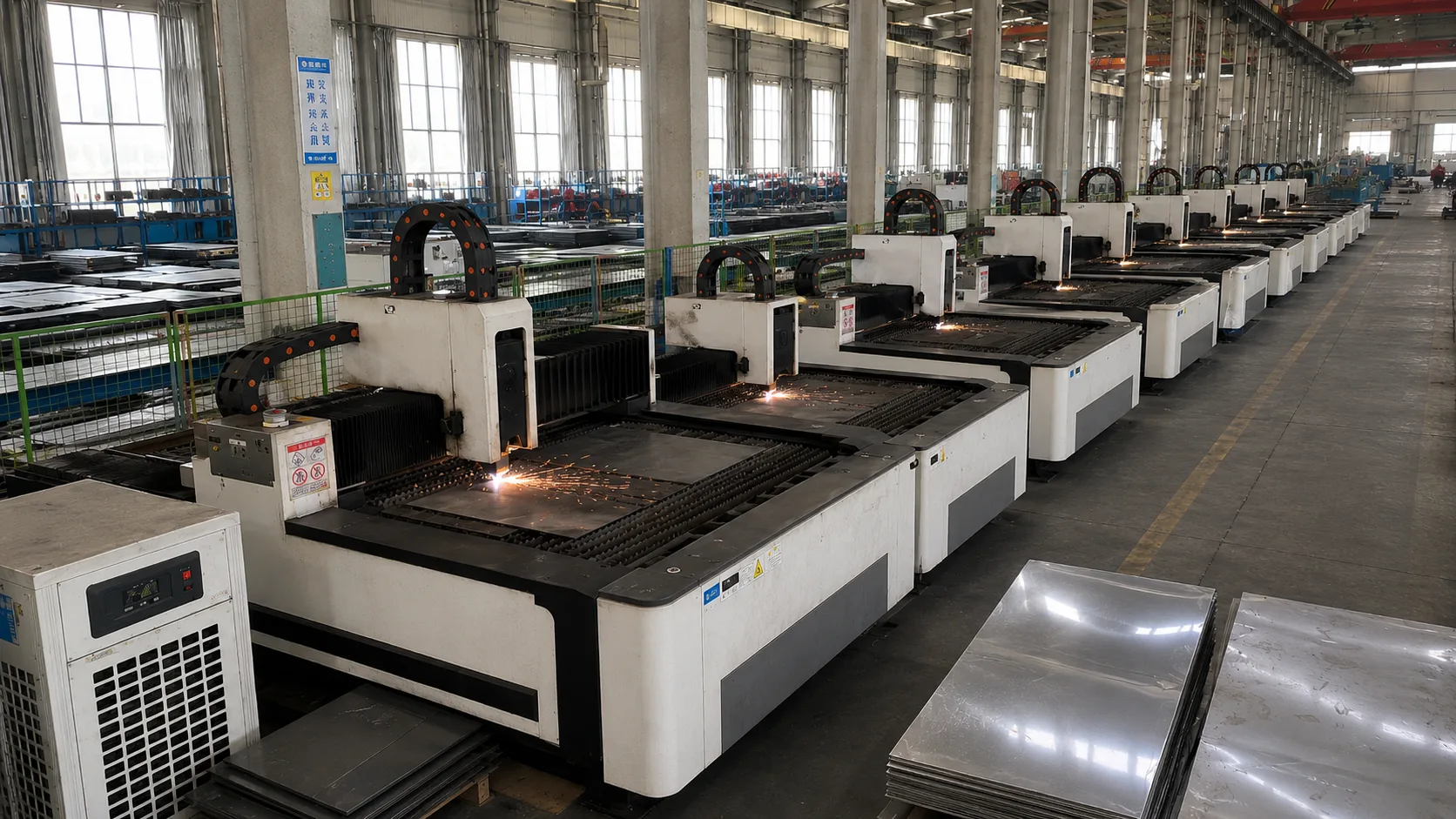
Formulating promises is effortless, while acquiring facts is a challenging endeavor. Reputable manufacturers will conduct inspections of material specifications, welding and finishing tolerances, assembly, and functional testing prior to dispatch. By documenting all workshop processes, tests conducted, and results obtained, the purchaser is able to verify the facts rather than relying on the promise.
The following are the defining characteristics of a successful project: the determination of capacity and menu, the design of the layout and utility engineering, the verification of in-process manufacturing, and the final verification of manufacturing through factory acceptability testing and documentation. The prevention of numerous disruptions on the delivery day is particularly advantageous for export projects when a single production system is under control.
In the central kitchens, hotel banquets, school and factory cafeterias, hospitals, and airline catering, failure is costly. Devices that operate independently are inadequate. The sole method of guaranteeing that hygiene flow, throughput, service timing, and documentation function as a cohesive, engineered system is turnkey planning.
It is advisable to refrain from exclusively relying on the sales literature when assessing a manufacturer of commercial kitchen equipment. Please furnish us with the engineering technique, test data, and examples of their initiatives. I am appreciative. Kitchens that thrive in stressful situations have been developed by companies that understood the business prior to the apparatus.